Book Now
St. Catharines
Traditional Braces – St. Catharines and Hamilton, ON
Building Bright Smiles The Traditional Way
At Coral Kids Dentistry & Braces we’re committed to helping children achieve healthy, beautiful smiles through orthodontics. Despite the rise of other orthodontic treatments, traditional braces are still one of the most effective ways to correct various dental alignment issues. Using metal brackets and wires, traditional braces in St. Catherines and Hamilton gently guide your child’s teeth into their ideal positions, setting them up for smile success down the road. With regular checkups and adjustments, we can ensure your child's transformation happens in a safe, controlled way that provides highly aesthetic results.
Why Choose Coral Kids Dentistry & Braces For Traditional Braces?
- A Team of Pediatric Dental Experts Eager to Help
- State-of-the-Art Dental Technology for Happy Smiles
- Relaxing And Kid-Friendly Dental Office
How Do Traditional Braces Work?

Teeth naturally shift over time, especially in the highly malleable mouths of children. This can lead to painful bite issues or problems with jaw placement that can worsen with time. Traditional braces use a combination of metal brackets and wires to gently move their teeth to more secure and functional positions.
The brackets are bonded to each tooth, and a wire runs through them, applying pressure to gradually shift teeth into alignment. Your child will visit our office regularly for adjustments to ensure steady progress toward their perfect smile.
What Orthodontic Issues Can Braces Fix?
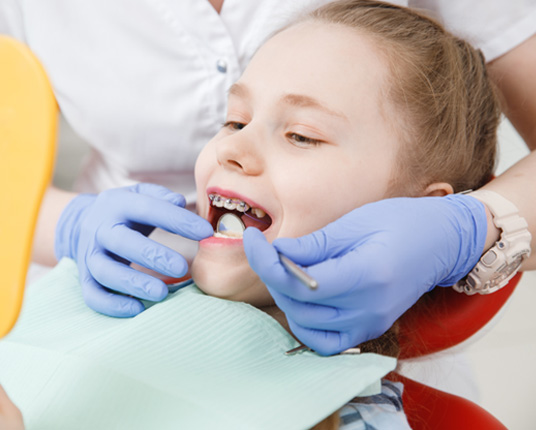
Traditional braces can address a wide range of orthodontic issues, including:
- Bite misalignment
- Crowded or crooked teeth
- Gaps between teeth
However, it’s important to schedule a consultation with our team. During this initial appointment, we can examine your child’s mouth and decide the best treatment method for them based on our assessment.
Bite Misalignment

Bite misalignments like overbites, underbites, and crossbites, can affect your child’s digestion, speech development, and overall oral health. Braces work to correct these issues by aligning their upper and lower jaws, improving both their bite’s functionality and its appearance. Left untreated, bite issues can lead to problems like tooth wear and jaw pain.
Crowded & Crooked Teeth
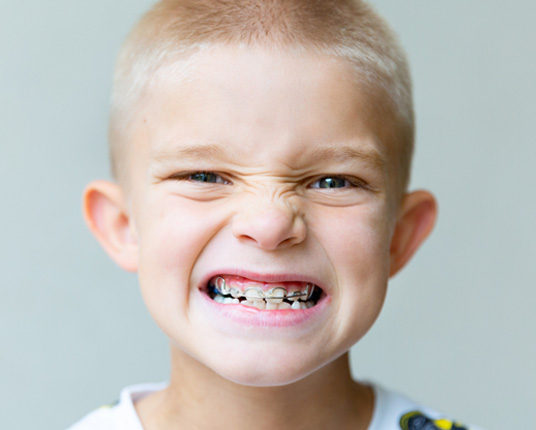
When teeth overlap or grow at strange angles, they can be difficult to clean and may affect your child’s confidence. Braces can gradually move their teeth, creating a straighter, more aesthetically pleasing smile while reducing the risk of cavities and gum disease.
Gapped Teeth
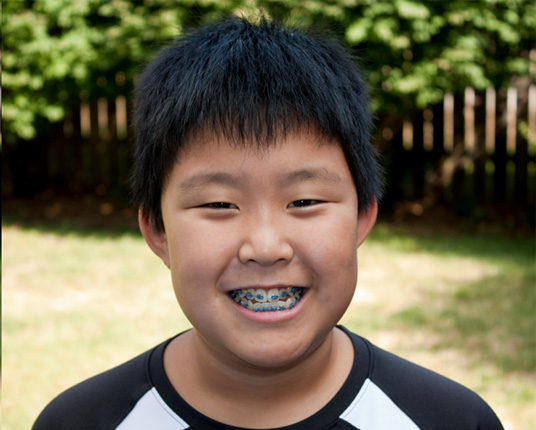
Gaps between teeth can be caused by genetics, thumb-sucking, or missing teeth. Braces close these spaces by guiding your child’s teeth closer together, cutting off food traps that can harbor bacteria, and keeping their smile looking full and perfectly aligned. Not only will this reduce the risk of cavities and bad breath, but it also improves their self-esteem.
Caring for Your Braces
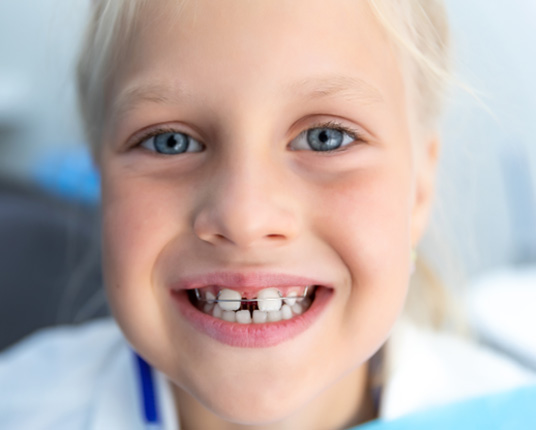
Taking care of braces is essential for smooth, successful treatment. Here are some tips to share with your child:
- Brush after every meal to remove food particles from around the brackets.
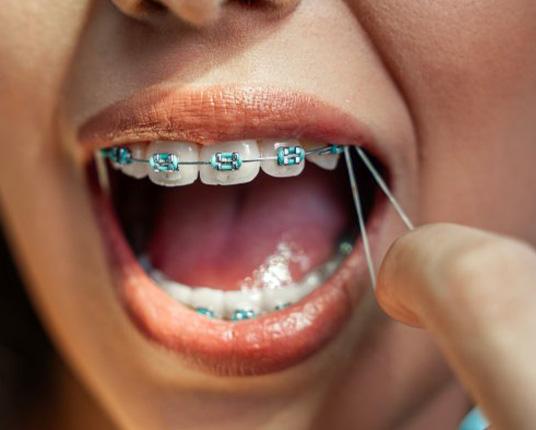
- Floss daily using floss threaders or orthodontic floss.
- Avoid sticky, hard, or crunchy foods that can damage wires and brackets.
- Visit our office for adjustments and professional cleanings on time to keep your child’s braces and teeth in top shape.
Following these steps will help your child achieve the best results in the shortest time possible! If you need more guidance for helping your child through their orthodontic treatment, don’t hesitate to call us
Understanding the Cost of Traditional Braces

No two orthodontic treatments are exactly the same, so the cost of traditional braces can vary considerably from one patient to another. The team at Coral Kids Dentistry & Braces will be happy to provide you with a detailed outline of your child’s orthodontic process and its associated costs during their consultation, but here’s a brief overview of how traditional braces are priced at our office in Ontario.
Factors That Affect the Cost of Traditional Braces
A few factors will determine most of the cost of your child’s orthodontic treatment. These include:
- Severity of the misalignment: Teeth that are further out of alignment will require more time to treat.
- Length of the treatment: Longer treatments typically cost more since they require more appliances, appointments, and adjustments.
- Age: Younger people typically need shorter orthodontic treatments than older ones since their teeth can be guided into healthier alignments as their mouths develop. Early orthodontic treatment can be an excellent way to save money and prevent uncomfortable oral health problems.
- Number of appointments: Traditional braces must be periodically adjusted to keep the realignment process on track. Your child will be scheduled for follow-up appointments every two to eight weeks depending on their needs.
- Other appliances: Some children will require additional appliances such as elastics, palatal expanders, and headgear. The cost of these devices will be noted on your bill.
- Compliance: Ensuring that your child complies with their treatment instructions can help keep the orthodontic process as brief as possible.
Professional Braces vs. "DIY" Braces: Which Costs More?

Some companies offer “do-it-yourself” orthodontic services at discounted rates, but these dubious treatments can lead to serious oral health issues that require more expensive procedures to correct. Without the personal oversight of a qualified orthodontic professional, the teeth can be shifted in improper ways that leave them more vulnerable to injury and infection. In some cases, this can even lead to tooth loss. It’s best to entrust your child’s realignment process to the team at Coral Kids Dentistry & Braces so we can ensure they have a safe and effective treatment.
Does Dental Insurance Cover Braces?

Some dental insurance plans offer orthodontic coverage for the children of policyholders, and treatments are usually more likely to be covered if they are medically necessary. In cases like these, insurance policies usually cover traditional braces by up to fifty percent, but this can vary considerably from plan to plan. The team at Coral Kids Dentistry & Braces will be happy to help you navigate your policy during your child’s consultation and file any claims as necessary.
Traditional Braces FAQs
Can My Child Get Traditional Braces on Just Their Top or Bottom Teeth?
At first glance, this would seem like a convenient and cost-saving option – however, we almost never recommend this approach to traditional braces in St. Catherine’s and Hamilton. Treating one arch with braces and not the other could result in an uneven bite or make your child’s misalignment worse. Since human mouths are so small, moving even a single tooth can throw off the entire oral structure!
Rest assured, if it is possible to give your child a single-arch braces treatment without negative consequences, our team will let you know. Just keep in mind that this is a rare option, and more likely than not, your child will need braces on both arches.
What Happens After My Child Gets Their Braces Off?
Even after a braces treatment, teeth have a tendency to slip back into their original positions. To prevent this from happening, we’ll provide your child with a retainer.
Retainers come in many different forms, depending on the patient’s needs. But in general, there are removable retainers and fixed (or permanent) retainers. A removable retainer looks a lot like a mouthguard, and your child will likely only have to wear it at night while they sleep. Fixed retainers are more like a thin, low-profile wire, and are typically cemented behind the teeth. Regardless of the type, we’ll be sure to give you and your child instructions on how to properly wear and take care of their appliance!
Do Traditional Braces Hurt?
Braces have an unfortunate reputation for being uncomfortable. Fortunately, this discomfort is often temporary. Your child may feel sore after they first receive their braces or after having them tightened, and the metal brackets and wires might chafe or poke their oral tissue.
Over-the-counter pain relievers like ibuprofen and Tylenol work well for dental aches. Orthodontic wax, meanwhile, can act as a buffer between metal braces and your child’s oral tissue, and helps alleviate irritation. Your child may also want to stick to eating soft foods until the soreness fades.
Should My Child Chew Gum with Traditional Braces?
We highly recommend against it. For one thing, gum is very hard to clean off of traditional braces. It’s sticky and stretchy enough to get caught on the wires and brackets and become stuck, so your child may end up regretting chewing gum in the first place.
For another thing, gum and other similar substances can actually make the metal wires on braces bend. If this happens, your child’s teeth will likely move in unexpected directions, ultimately prolonging their treatment. We’re guessing that your child wouldn’t want to wear their braces any longer than necessary!